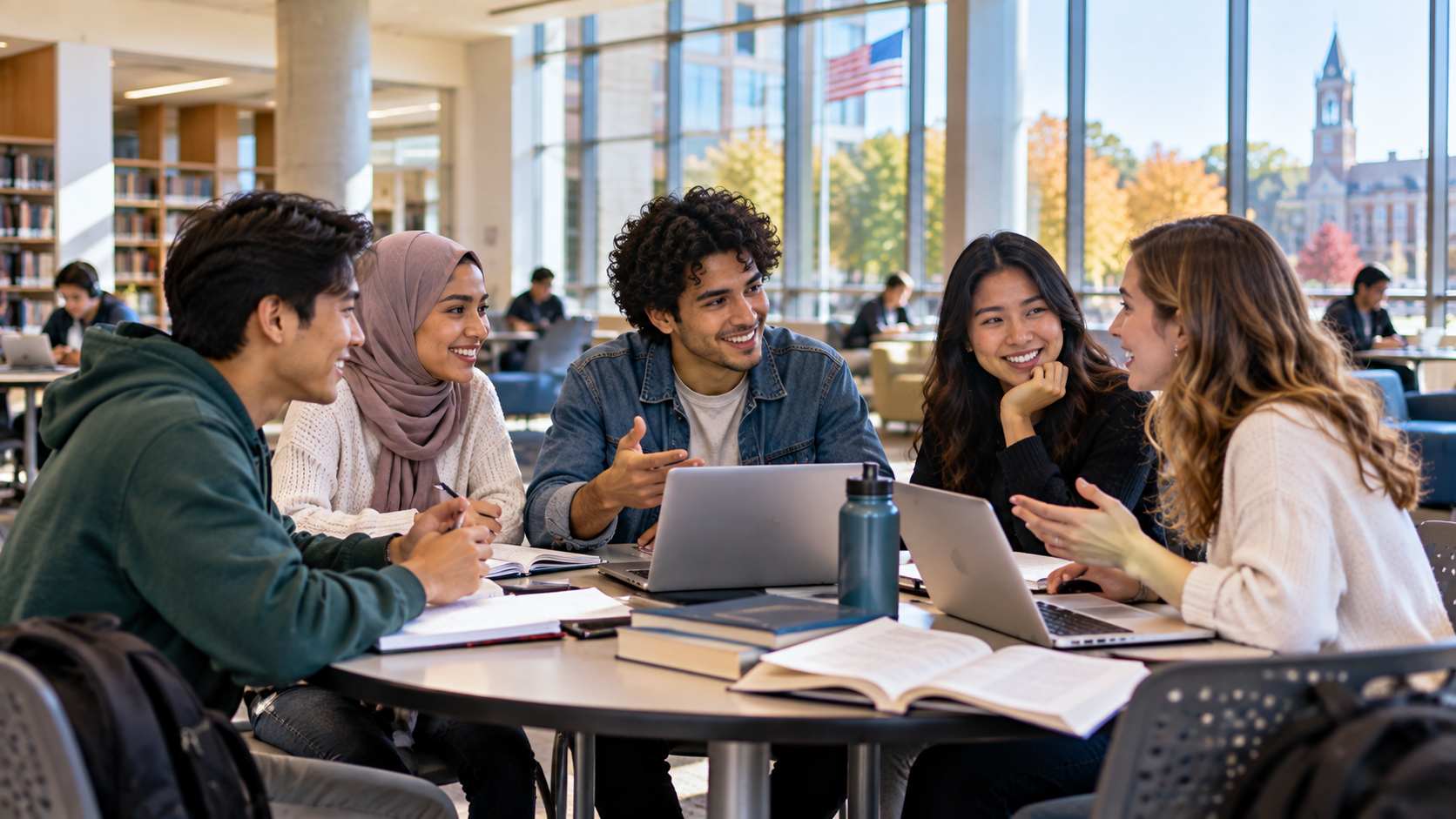
A Wider Range of Academic Options
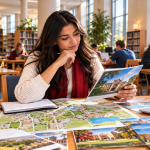
The United States offers an unusually wide range of higher-education paths. Students can choose public or private institutions, two-year or four-year programs, research universities, liberal-arts colleges, technical programs, and options across every region. That variety can make it easier to match a course of study, budget, and learning style—but it also makes careful comparison essential.
Flexible Degree Pathways
One important benefit is academic flexibility. At many undergraduate institutions, students explore general-education subjects before declaring or finalizing a major. Students may combine a major with a minor, take electives outside their field, or change direction after discovering a better fit. Policies differ by school, so applicants should ask how major changes and credit transfers work before enrolling.
Official link: EducationUSA: Research Your Options
Learning Beyond the Classroom
Learning is often practical as well as classroom-based. Depending on the program, students may gain experience through research, labs, design projects, campus employment, internships, or service learning. Universities frequently offer writing centers, tutoring, academic advising, counseling, disability services, career centers, and international-student offices. Use these services early rather than waiting for a problem.
Studying in the United States can also develop independence and cross-cultural skills. Campus organizations, residence halls, and community activities expose students to people from many backgrounds. The adjustment can be demanding: academic expectations may emphasize participation, group work, citations, independent reading, and frequent assessment. A pre-departure orientation and international-student orientation help students prepare.
Plan for Your Responsibilities
International students should weigh benefits against real responsibilities. They need an appropriate visa, must keep their immigration status, budget for the full program, maintain health coverage where required, and understand restrictions on work. An F-1 student’s employment options are regulated; confirm any work authorization with the school’s Designated School Official before accepting a job.
Official link: DHS Study in the States: Maintaining Status
Develop Skills That Travel Across Borders
Communication and collaboration
Classrooms in the United States often include discussion, presentations, group projects, and office-hour conversations with instructors. These experiences can strengthen academic writing, public speaking, teamwork, and problem-solving. Students who are new to this style should participate gradually: prepare one question before class, visit office hours early in the term, and contribute reliably to group work.
Build a professional network
Many campuses connect students with faculty mentors, alumni, employers, and student organizations. Career fairs, employer presentations, research conferences, and volunteer activities can help a student understand workplace expectations and practice professional communication. A network is not only for finding a job; it is also a source of guidance, references, and informed career decisions.
Make the Most of the Campus Experience
Join one academic or cultural organization that genuinely interests you, while keeping your schedule manageable. Use the library and career center before a major assignment or job search becomes urgent. If you live on campus, attend residence-hall and orientation events to build community. If you commute, plan deliberately to meet classmates and take part in student life.
Know the Limits of the “Benefit” Story
A U.S. degree does not automatically guarantee employment, immigration benefits, or a particular salary. The value of the experience depends on program quality, your involvement, financial planning, and the choices you make throughout the degree. Compare offers carefully, maintain realistic expectations, and use official sources—not social-media claims—for visa and employment information.
Official link: U.S. Department of State: Student Visas
Official resources
- EducationUSA: Your Five Steps to U.S. Study — https://educationusa.state.gov/your-5-steps-us-study
- DHS Study in the States: Maintaining status — https://studyinthestates.dhs.gov/students/maintaining-status
- EducationUSA: Prepare for your departure — https://educationusa.state.gov/node/1058