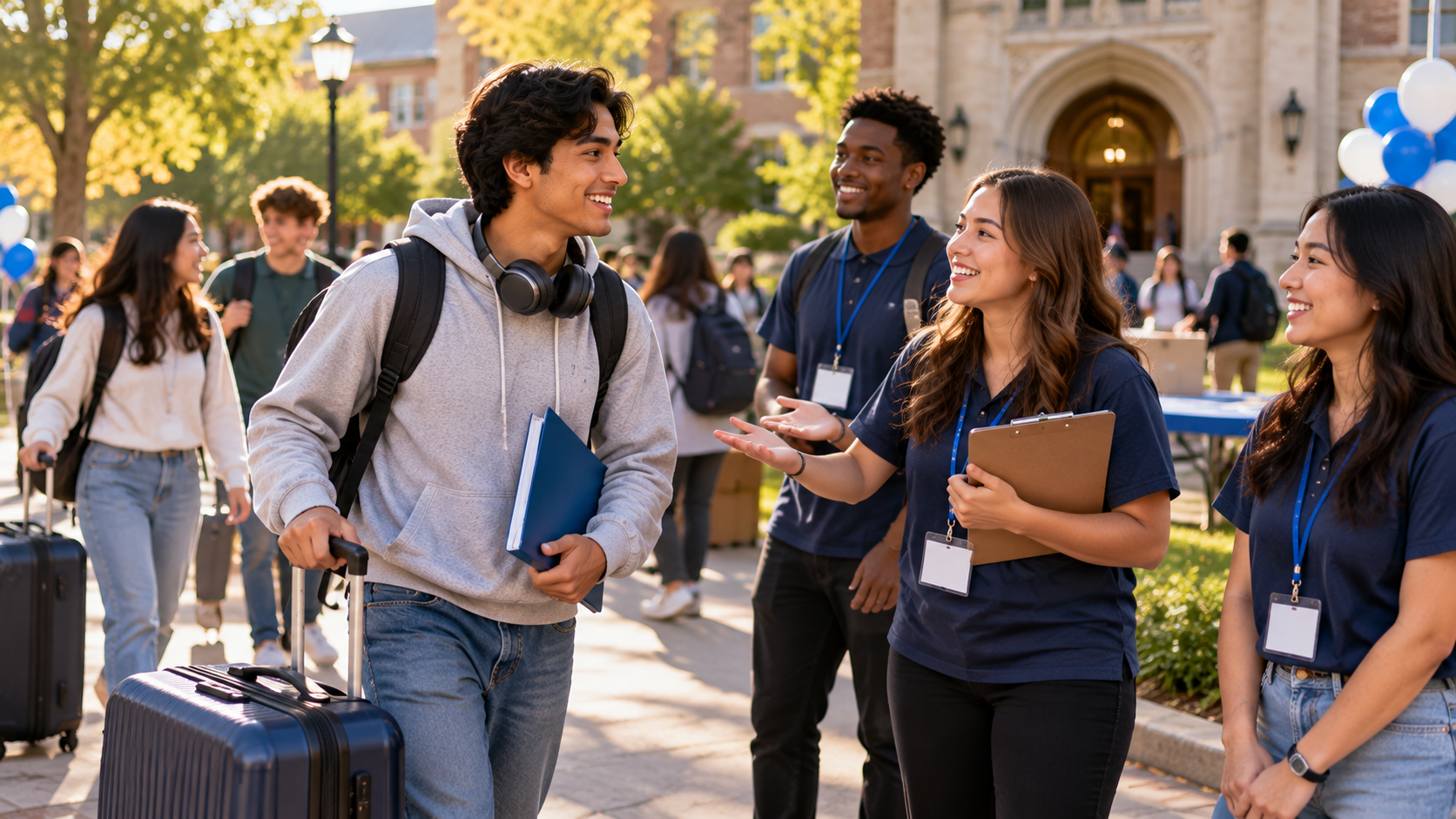
Complete Your Pre-Arrival Checklist
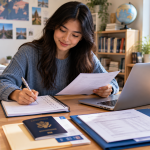
Your first year begins before the first class. After accepting an offer, read every instruction from the university and international-student office. Confirm how you will receive your I-20 or DS-2019, what tuition deposit or housing deadlines apply, which health-insurance rules apply, and when orientation begins. Keep originals and copies of your passport, visa, admission letter, immigration documents, medical records, prescriptions, and emergency contacts in a secure place.
Plan Your Arrival Carefully
Plan arrival carefully. EducationUSA notes that students should confirm their expected arrival date with their institution and that students generally may not enter the United States more than 30 days before the start date on an I-20 or DS-2019. Book travel only after checking the current instructions from your school and the U.S. government. Arrange a temporary phone plan, airport transfer, and a small amount of accessible money for the first days.
Official link: EducationUSA: Prepare for Your Departure
Prepare for Academic Life
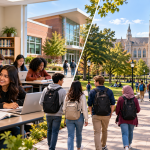
Learn your academic timetable. Register for classes as soon as you are eligible, but do not overload your first term. Understand credit hours, add/drop dates, attendance expectations, grading, and academic-integrity rules. Find your academic adviser, professor office hours, library, learning-management system, writing center, and tutoring resources during orientation week.
Attend International-Student Orientation
Your immigration check-in is essential. Attend both the international-student orientation and general orientation. Meet the designated school official, provide requested documents, and learn how to keep your status: full-time enrollment requirements, address reporting, travel signatures, and limits on employment. Do not make assumptions about working, internships, or reduced course loads; ask the international office before acting.
Official link: DHS Study in the States: Maintaining Status
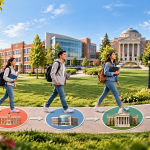
Set Up Your First Weeks for Success
Complete essential campus tasks
After arriving, complete any required check-in with the international office, activate your student account, obtain your campus ID, confirm your local address, and learn how tuition payments and health-insurance enrollment work. Keep digital and paper copies of your passport, visa, I-20 or DS-2019, I-94 record, and university contact information in a secure place.
Understand your housing and local area
Learn building access rules, laundry arrangements, dining options, emergency contacts, transport routes, and the location of the nearest grocery store, pharmacy, clinic, and bank or payment service. If you live with roommates, discuss quiet hours, shared space, guests, and cleaning expectations early. Clear agreements prevent avoidable conflicts.
Build an Academic and Personal Routine
Register for classes as soon as permitted, but allow enough time for reading, writing, projects, and adjustment to a new environment. Use a calendar for due dates and a separate weekly plan for study sessions. Introduce yourself to classmates and instructors, attend office hours with a specific question, and use tutoring or writing support before a problem grows.
Manage Money and Well-Being
Create a monthly spending plan that includes food, transport, phone service, personal items, and unexpected costs. Keep an emergency reserve if possible and do not rely on unapproved work. Homesickness and culture shock can affect concentration; keep regular contact with people you trust while also building a local support network through campus activities and student services.
Official link: U.S. Customs and Border Protection: Students and Exchange Visitors
Know When to Ask for Help
Contact the international-student office for immigration questions, an academic adviser for program or registration questions, your instructor for course questions, and campus health or counseling services for personal well-being. Asking the right office early is often the fastest solution.
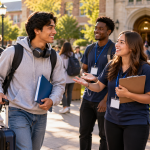
Build a sustainable first month. Introduce yourself to classmates, join one activity that interests you, set a weekly budget, plan study time, and call home on a realistic schedule. Culture shock and homesickness are normal transitions; seek support early from counseling, peer programs, advisers, or international-student staff.
Official resources
- EducationUSA: Prepare for your departure — https://educationusa.state.gov/node/1058
- U.S. Customs and Border Protection: Students and exchange visitors — https://www.cbp.gov/travel/international-visitors/students
- DHS Study in the States: Maintaining status — https://studyinthestates.dhs.gov/students/maintaining-status